
The cultural significance of gambling in society today
The Historical Context of Gambling
Gambling has a rich history that spans centuries and cultures, serving as both entertainment and a social activity. From ancient civilizations, such as the Romans and Greeks, who engaged in games of chance, to modern-day casinos, the evolution of gambling reflects societal changes and attitudes towards risk-taking. It has often been intertwined with cultural rituals and celebrations, highlighting its longstanding significance in human interaction. With the rise of online casinos, this evolution continues to shape how people engage with games and chance.
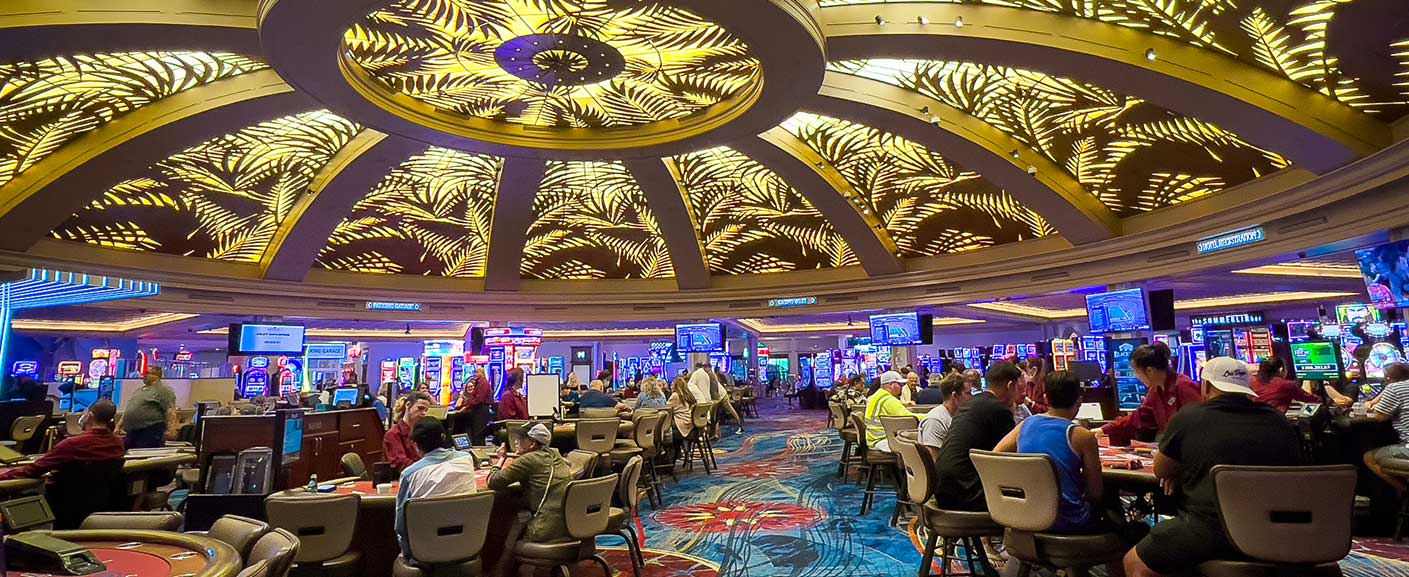
As societies evolved, so did the perception of gambling. In many cultures, it was seen as a way to demonstrate skill and luck, while others regarded it as a vice. The shifting landscape of laws and societal norms has also played a crucial role in the development of gambling practices, demonstrating how cultural beliefs can influence the acceptance and regulation of these activities.
The Role of Gambling in Social Interactions
Gambling serves as a powerful catalyst for social interaction and community bonding. Many people gather in casinos or participate in friendly bets to forge connections and build camaraderie. This social aspect is especially prominent in events like poker nights or sports betting, where individuals come together to share experiences and create memorable moments.
The communal nature of gambling allows for the exchange of stories and strategies, enhancing personal relationships and fostering a sense of belonging. Even in the digital realm, online gambling platforms provide spaces for interaction, where players can chat and connect, showing that the cultural significance of gambling transcends physical boundaries.
The Impact of Technology on Gambling
The rise of technology has transformed the gambling landscape, making it more accessible and diverse. Online casinos and mobile betting apps have introduced new ways for individuals to engage in gambling, appealing to a broader audience. This technological shift has not only increased participation but has also altered the perception of gambling as a pastime.
Moreover, advancements in virtual reality and artificial intelligence are paving the way for immersive gambling experiences, further embedding gambling into modern culture. As technology continues to evolve, its influence on gambling will likely expand, reflecting societal trends and values, and prompting ongoing discussions about the implications of such changes.
Gambling and Responsible Gaming Culture
As gambling becomes more integrated into society, the conversation around responsible gaming has gained prominence. Many organizations and platforms emphasize the importance of gambling responsibly, recognizing the potential risks associated with excessive gambling. This cultural shift reflects a growing awareness of the need to balance entertainment with caution.
By promoting responsible gaming practices, society can ensure that gambling remains a source of enjoyment rather than a path to addiction. This proactive approach fosters a healthier relationship with gambling, encouraging players to engage in these activities for fun while being mindful of their limits.

The Website’s Role in Promoting Safe Gambling
The website plays a crucial role in supporting safe gambling practices by providing valuable resources and guidance to users. Through educational content and insights, it aims to inform individuals about the risks associated with gambling, ensuring they can make informed decisions. This commitment to user safety highlights the cultural significance of promoting a secure gambling environment.
By offering assistance and maintaining a focus on security, the website contributes to the broader narrative of responsible gambling in society today. It serves as a vital tool for fostering awareness and encouraging a culture of safety within the ever-evolving gambling landscape.